We stood beneath a riot of reds and blues—Chagall’s mural soaring above us at Lincoln Center | New York City —waiting to enter Avery Fisher Hall for Leonard Bernstein’s memorial. The silence was reverent, but the atmosphere pulsed with life. Musicians danced across the ceiling, violins arched toward the heavens. Time didn’t stop, but it felt like it did.
He was the uncle of a friend. A vice president at Philip Morris. Impeccably dressed, composed, the kind of man who didn’t need to raise his voice to command attention.
Beside him stood his wife, Karin—her timeless Swedish beauty softened by years of silent observation. Her eyes sparkled with wisdom. She wore a floaty kaftan, and her arms were adorned with layers of African bracelets that whispered stories with every movement. She didn’t speak much. She didn’t have to.
I was young. Anxious. Probably trying too hard to belong, and too shy to ask anything real.
We stood side by side for a long moment. Then, without ceremony, he turned to me and said:
“Don’t stop learning.”
That was it. Simple. Steady. Certain.
I laughed, half-nervous, half-hopeful: “Can I call you uncle too?”
He smiled. “Yes.”
That moment never left me. Not because of who they were, or where we were, or even what we heard that night—though the New York Philharmonic performing Bernstein will mark your psyche forever. It stayed because of how quietly and clearly it was given. Unassuming. Generous. True.
After the concert, we went up to their penthouse above Juilliard School of Music. He sat at a grand piano overlooking Fifth Avenue and played “I Want to Live in America.” A man of power and grace, playing a song immortalized by Rita Moreno, in a city that breathes culture through every stone.
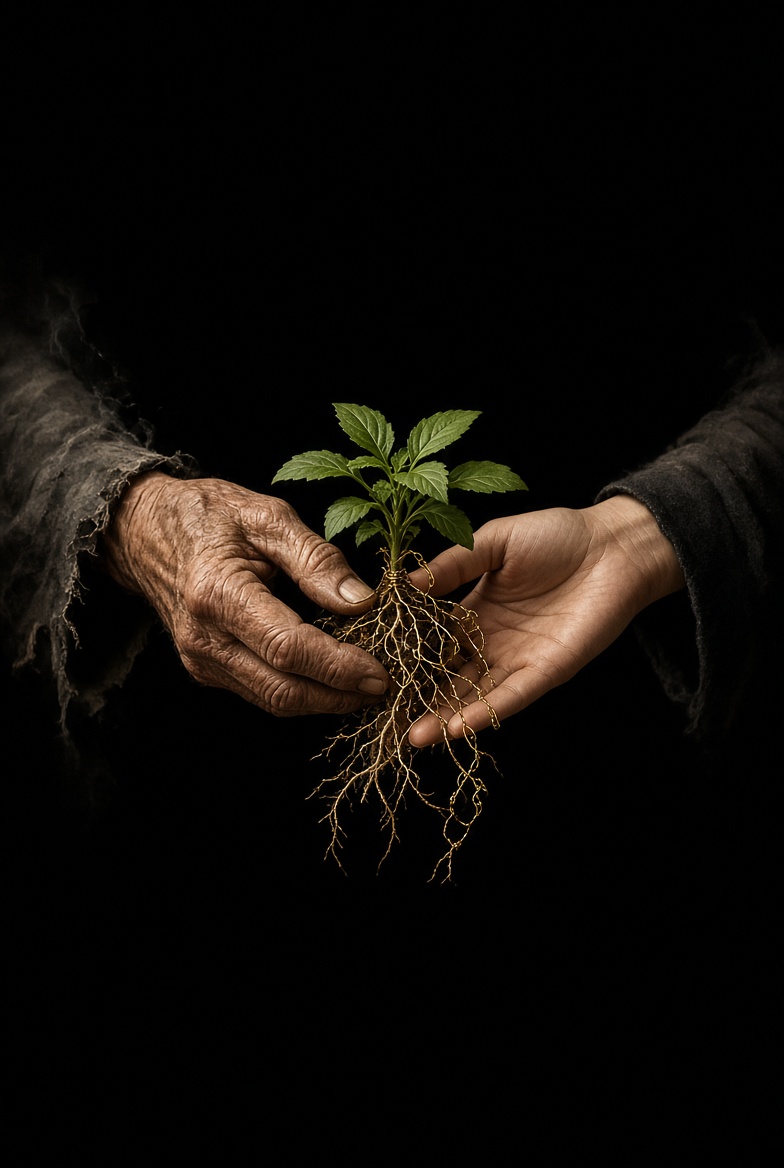
That was my first mentorship.
There was no program. No title. No agenda. Just presence, music, and a passing moment beneath a Chagall sky.
Years later, at TELUS Digital I had the privilege of mentoring over 60 new hires.
At first, it seemed straightforward—explain how to navigate a system where some rules were literal, others interpretive… in short: chaos. The easy route was to keep it clinical.
But I said no. I got involved. I cared.
I made it personal—because it mattered.
Weeks later, you'd walk the halls and someone would stop you: "Thank you." "You once said something that stuck with me." "That one detail you shared helped me when I felt lost."
You realize how much vulnerability lives in those first days of a new job, a new life chapter. And you remember: someone once lit that torch for you.
Now it’s your turn.
I’ve learned since then that mentorship doesn’t always look like mentorship. Sometimes it’s a sentence. Sometimes it’s silence. Sometimes it’s someone who sees you—not just what you do, but who you are becoming.
Today, whether I’m onboarding teams, training peers, or supporting clients across continents, I try to carry that same energy forward.
Not to teach, but to make space. To reflect back what others might not yet see in themselves. To remind them (and myself) that learning never ends.
Because sometimes, all we need is someone to say:
“Don’t stop learning.”
And if you’re lucky, they’ll let you call them uncle too.
dedicated to Tía Karin & Tío Porriqui
Have you ever received advice you didn’t realize was mentorship until later? I’d love to hear your story. ✨
People in this piece: Tía Karin, Tío Porriqui